Aggressive behavior in dogs can be a challenging and concerning issue for pet owners. Whether it’s growling, snapping, or biting, aggression can stem from various underlying causes, including fear, territoriality, or frustration. Understanding the triggers of aggressive behavior and implementing effective solutions is essential for ensuring the safety of both your dog and those around them.
Aggressive behavior in dogs can be a challenging and concerning issue for pet owners. Whether it’s growling, snapping, or biting, aggression can stem from various underlying causes, including fear, territoriality, or frustration. Understanding the triggers of aggressive behavior and implementing effective solutions is essential for ensuring the safety of both your dog and those around them.
1. Understanding Aggression in Dogs
What Is Aggression?
Aggression is a behavioral response in which a dog displays threatening or harmful actions toward a person, animal, or object. It can range from subtle warning signs, such as growling, to more severe actions, like biting.
Why Do Dogs Become Aggressive?
Aggressive behavior in dogs can be caused by a variety of factors, including genetics, environment, and past experiences. Identifying the root cause is the first step toward addressing the issue effectively.
2. Types of Aggression in Dogs
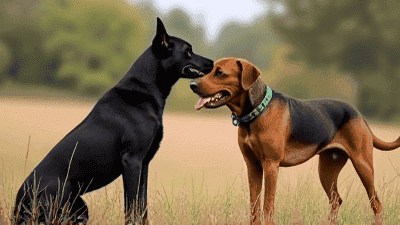
Fear Aggression
Fear aggression occurs when a dog feels threatened or cornered. It’s a defensive response aimed at protecting themselves from perceived danger.
Territorial Aggression
Territorial aggression involves a dog defending their space, such as their home, yard, or owner, from intruders.
Protective Aggression
This type of aggression is directed toward perceived threats to a dog’s family members, especially children or other pets.
Possessive Aggression
Also known as resource guarding, possessive aggression occurs when a dog becomes aggressive over food, toys, or other objects they consider valuable.
Redirected Aggression
Redirected aggression happens when a dog is unable to direct their aggression toward the source of their frustration and instead targets a nearby person or animal.
Pain-Induced Aggression
Dogs in pain may become aggressive as a way to protect themselves from further discomfort or injury.
Social Aggression
Social aggression is often seen in multi-dog households and involves conflicts over dominance or social hierarchy.
Predatory Aggression
Predatory aggression is driven by a dog’s natural hunting instincts and is often triggered by small, fast-moving animals or objects.
3. Identifying Triggers of Aggressive Behavior
Environmental Factors
- Loud noises, such as fireworks or thunderstorms
- Unfamiliar people or animals
- Changes in routine or living environment
Social Factors
- Interactions with other dogs or pets
- Lack of socialization during puppyhood
- Poorly managed introductions to new people or animals
Medical Factors
- Pain or discomfort due to injury or illness
- Neurological conditions or hormonal imbalances
- Side effects of medications
Behavioral Factors
- Past trauma or abuse
- Reinforcement of aggressive behavior (e.g., rewarding growling with attention)
- Lack of boundaries or consistent training
4. Signs of Aggressive Behavior in Dogs
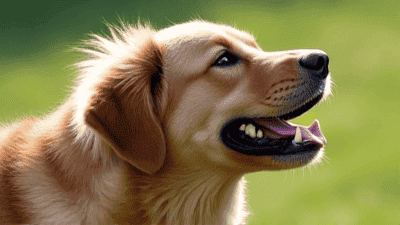
Warning Signs
- Growling or snarling
- Baring teeth
- Stiff body posture
- Intense staring
Escalated Signs
- Lunging or charging
- Snapping or nipping
- Biting
- Raised hackles (fur along the back)
5. Managing and Correcting Aggressive Behavior
Consult a Professional
If your dog displays aggressive behavior, consult a veterinarian or a certified dog behaviorist to rule out medical causes and develop a tailored behavior modification plan.
Training Techniques
- Positive Reinforcement: Reward calm and non-aggressive behavior with treats, praise, or toys.
- Desensitization: Gradually expose your dog to their triggers in a controlled environment, starting at a low intensity and increasing over time.
- Counter-Conditioning: Replace your dog’s aggressive response with a positive one by associating their triggers with rewards.
- Obedience Training: Teach basic commands like "sit," "stay," and "leave it" to improve impulse control and focus.
Environmental Management
- Limit exposure to known triggers.
- Provide a safe space, such as a crate or quiet room, where your dog can retreat when feeling stressed.
- Use baby gates or leashes to prevent your dog from accessing situations that may provoke aggression.
Consistency and Boundaries
- Establish clear rules and routines to create a sense of stability for your dog.
- Avoid reinforcing aggressive behavior, such as giving in to demands or soothing your dog during an aggressive episode.
6. Preventing Aggression in Puppies and Adult Dogs
Early Socialization
Expose puppies to a variety of people, animals, and environments during their critical socialization period (between 3 and 14 weeks of age) to reduce fear-based aggression.
Proper Exercise and Mental Stimulation
Ensure your dog gets enough physical exercise and mental enrichment to prevent frustration and boredom, which can lead to aggression.
Spaying and Neutering
Spaying or neutering your dog can reduce hormone-driven aggression, particularly in males.
Avoiding Punishment
Avoid using punishment-based training methods, as they can increase fear and aggression. Instead, focus on positive reinforcement.
7. Special Considerations for Specific Types of Aggression
Fear Aggression
- Create a safe and predictable environment.
- Avoid forcing your dog into situations that trigger fear.
- Use counter-conditioning to build positive associations with their triggers.
Territorial Aggression
- Teach your dog to associate visitors with rewards, such as treats or toys.
- Use baby gates or closed doors to limit access to certain areas of the home.
Possessive Aggression
- Practice trading games where your dog learns to exchange a high-value item for a treat.
- Teach the "leave it" command to discourage resource guarding.
Redirected Aggression
- Remove your dog from the situation to prevent escalation.
- Provide an alternative outlet for their frustration, such as a chew toy.
8. When to Seek Professional Help
Signs That Require Immediate Intervention
- Biting that causes injury
- Aggression that escalates despite training efforts
- Aggression toward family members or other pets
Working with a Behaviorist
A certified dog behaviorist can assess your dog’s aggression, identify triggers, and create a customized behavior modification plan. They may also recommend tools like muzzle training or calming aids.
9. Long-Term Strategies for Success
Patience and Consistency
Behavioral changes take time. Stay consistent with training and management strategies, and be patient with your dog’s progress.
Regular Check-Ins
Monitor your dog’s behavior and adjust your approach as needed. Regular check-ins with a behaviorist or trainer can help ensure long-term success.
Building Trust
Focus on building a strong bond with your dog based on trust and positive reinforcement. A trusting relationship can help reduce anxiety and aggression over time.
Conclusion
Addressing aggressive behavior in dogs requires a combination of understanding, patience, and effective training techniques. By identifying the triggers of aggression and implementing appropriate solutions, you can help your dog feel more secure and reduce their aggressive tendencies. Remember, aggressive behavior often stems from fear, discomfort, or lack of socialization, so it’s essential to approach the issue with empathy and care. If you’re struggling to manage your dog’s aggression, don’t hesitate to seek professional help. With the right approach, you can create a safer and more harmonious environment for both your dog and your family.